Building the Business Case for GPS Tracking in Your Fleet
The decision is not "track or don't"—it's which layer of cost you absorb
When a transport manager asks me how to build the business case for GPS tracking in their fleet, I start with what they already pay for and where the hours go. Every fleet tracks something. Mileage rolls off the TCU into a monthly CSV. Fuel cards log litres and timestamps. A dashcam on the lead truck hasn't been downloaded in three weeks. The question is not whether you have data. It is which system carries it and who turns it into a report a regulator or insurer accepts without a follow-up call.
Three options sit on the table.
Option A: The spreadsheet. You pull TCU exports at month-end, merge them with fuel-card statements in Excel, and a driver's mate types exceptions by hand. Cost: your own hours—four to six per vehicle per month factoring in formatting, missing rows, the "TCU reset on the 14th" problem. It works for three trucks where the owner dispatches. It breaks at twelve vehicles because the error rate creeps past what an auditor tolerates.
Option B: The enterprise platform. Samsara, Verizon Connect, Teletrac Navman. Per-vehicle subscription runs $25 to $40 a month by tier and contract length, signed for two or three years. Certified ELD integration, proprietary hardware, forty features you will use three of. It works when your fleet exceeds fifty units and that line item is a rounding error in the P&L.
Option C: A purpose-built lightweight platform. You feed GPS via OBDII or a custom script pulling from the TCU's CAN bus. Real-time map, historical route reports, driver-safety monitoring, EV battery-telemetry fields—without the bloat. Recurring fee is lower per unit. Hardware is one-time: $80 to $150 for a quality OBDII logger or dedicated GPS puck. No multi-year lock-in. You walk away in thirty days.
The choice is not feature count. It is where you absorb the cost: your own hours, a per-vehicle line item compounding over a multi-year contract, or a smaller recurring fee plus one-time hardware.
I make this call from the driver's seat. I hold an MC licence and trained heavy-vehicle drivers for six years before writing tracking code. The rule: if the data doesn't make the job easier for the guy behind the wheel, it is useless. A system that fires two hundred alerts a day and buries the two that matter—a driver exceeding HOS limits on a wet highway at 0500—is a cost disguised as a feature. You are not buying a dashboard. You are buying the ability to hand a regulator a clean PDF and close the file in under five minutes.

The invoice is half the number; integration time and driver friction are the other half
The sticker price covers hardware and a monthly subscription per vehicle—the figure your CFO sees, not the figure that determines whether you get value back. The real cost splits into four lines the vendor's one-page PDF never itemises.
First: integration time. How many weeks from signature to your first useful 90-day report? For the spreadsheet route, the cost is your own hours—export the CSV from whatever logger you already run, format it in Excel, eyeball the speed columns, repeat monthly. I spent eleven hours on a single quarter's data for a fourteen-vehicle set before I stopped. For the enterprise route, it is per-vehicle fee times fleet size times contract length, plus the IT weeks to pipe that feed into dispatch, maintenance scheduling, and fuel reconciliation. A 60-truck operation on a three-year contract at $14 per vehicle per month lands at $30,240 in subscription before a single API call is mapped.
Second: driver friction. Does the operator install an app on a personal phone and charge it daily in a cab with no reliable power? The cognitive load in a B-doubles at 0400 is route notes, load securement, fatigue management, road conditions. A third notification stream does not improve safety; it degrades attention.
Third: compliance surface. A state regulator requests speed events with geofence breaches across the quarter. Can you produce it in an afternoon, or does it take a week of manual CSV wrangling and a spreadsheet still missing two days because the device dropped offline?
Fourth: maintenance. Who fixes it when the antenna migrates off the roof after six months of vibration, or when the vendor changes an API endpoint and your integration script throws a 404 at 0200 on a Tuesday?
Your business case must price both outcomes: the cost of the tool, and the cost of the event it fails to prevent. A harsh-braking trend across three weeks is the signal; a daily digest of two hundred alerts is the noise.
The spreadsheet-and-TCU route is right-sized for small fleets with a basic compliance bar
Pick this when you run under ten vehicles, you talk to your crew daily, your compliance bar is "show me mileage and fuel" rather than "produce 90 days of speed events with geofence breaches by driver," and you do not need EV charging-segment analysis. The monthly TCU export takes thirty to sixty minutes with a script; without one, budget two hours of portal clicking and CSV merging.
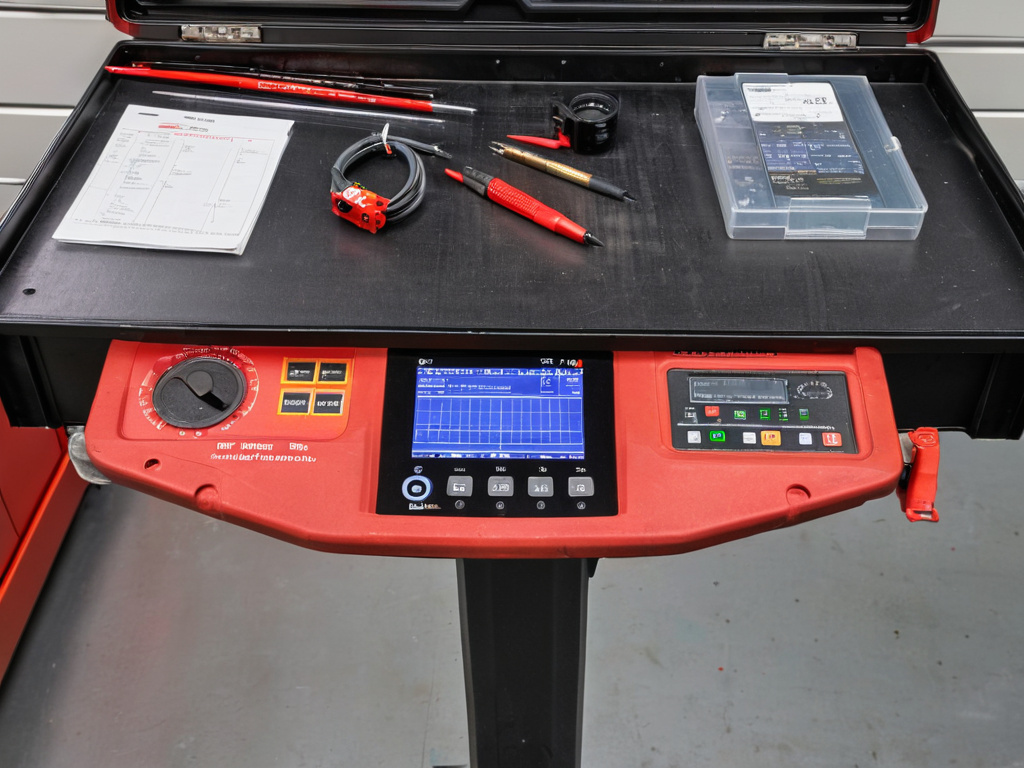
The hardware is the unit the manufacturer bolts behind the dash or taps into the OBD-II port. On a 44-tonne rig that means a vibration-rated connector and a cable run to the fuse box. I've done the install on three trucks myself—forty-five minutes per vehicle with the right crimp tool and a multimeter. The TCU runs $90 to $140 per unit at wholesale, with no monthly SaaS line item.
What the export actually gives you
The TCU logs position at 30-second intervals when the ignition is on, drops to five-minute intervals in sleep mode. Over a full working month, that's roughly 14,000 to 18,000 rows per vehicle. The columns are fixed: timestamp, latitude, longitude, speed, engine RPM, fuel delta, ignition state, door status. What you see is what the CAN bus reported.
My export script pulls the last 31 days from each unit's local storage, writes one CSV per truck into a dated folder, then runs a pandas merge for mileage totals and fuel consumption by week. The whole run:
python3 export_tcu.py --fleet-dir /mnt/fleet/tcu/ --output ./reports/$(date +%Y-%m)/
Total wall time: four minutes for eight trucks. Check that no vehicle shows a zero-mileage day (a dead TCU or a blown fuse), then file the PDF export into your compliance folder. Done.
This covers the "show me what the trucks did" question: mileage per vehicle, fuel litres against distance, idle time. It does not cover geofence breaches, hard-braking event counts, or the charging-segment breakdown an EV transition plan requires. The moment your bar shifts from "prove the trucks moved" to "prove they moved safely within these boundaries," you move to the next option.
For a six-truck regional distribution operation, this route costs roughly $720 in hardware upfront, about an hour of my time per month for the export and file check, and zero recurring fee. The data is mine; if the TCU vendor folds, I still have the CSVs. It's not elegant and it's not a heat map, but it answers the question that actually gets asked in a compliance meeting, without a $40-per-vehicle monthly contract.
The enterprise platform works when fleet size makes the per-unit fee a rounding error
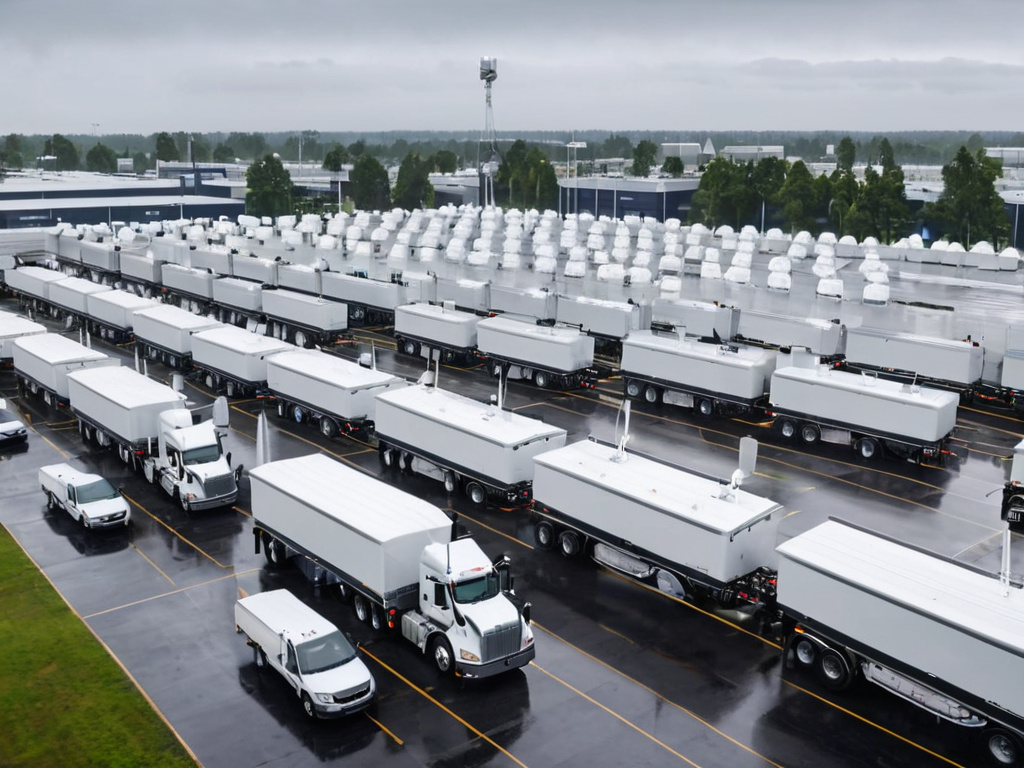
The enterprise route earns its keep above fifty vehicles. At that scale, $30 to $40 per unit per month is under one percent of operating cost, and the certified ELD integration removes a separate compliance line item entirely.
What it does not do well: small-fleet economics. At twelve vehicles on a three-year contract at $35 per unit, you are committing $15,120 before integration. The hardware is proprietary; if you outgrow the platform in year two, you renegotiate or eat the remaining term. You will use three of the forty features, and the other thirty-seven are line items you cannot trace to a specific operational need.
The compliance output is strong—geofence breach reports, HOS exception logs, speed-event PDFs with geotags. If your regulator expects a branded report from a named vendor, this is the path. Price in the integration weeks too: for a 60-truck set, mapping the feed into dispatch, maintenance and fuel reconciliation ran six weeks of IT time before the first clean 90-day report.
The purpose-built lightweight route: lower recurring fee, one-time hardware, no lock-in
This is where I sit, and where most fleets under fifty should look first.
The integration path is shorter because the data schema is fixed and documented, with no proprietary API layer to reverse-engineer. The driver-facing component is a single read-only screen—position, HOS timer, one alert channel for the two events that actually matter. No app store, no daily charging ritual.
The compliance output is the same PDF a regulator expects: 90-day speed events with geofence coordinates, driver-attributed, timestamped to the second. Generating it takes an afternoon rather than a week of CSV wrangling, and the data stays portable if you ever switch platforms.
Before you commit to any of these, run the numbers for your own fleet: the free Fleet ROI Calculator takes your incident count, insurance premium, and turnover rate and returns an annual savings estimate with a payback period—no email, no account, everything computed in your browser.
If this was useful, Get started with FleetTrack. No pressure — read it whenever it's useful.
Spot a bug or want a custom utility built? I'd love to hear from you. Get in touch